Dressing well in summer presents a specific challenge: staying sharp while not overheating, navigating dress codes that don’t always account for the weather, and doing it all in a way that looks intentional rather than improvised. Here are five tips that make a real difference.
Tip One: Get the Right Sport Coats
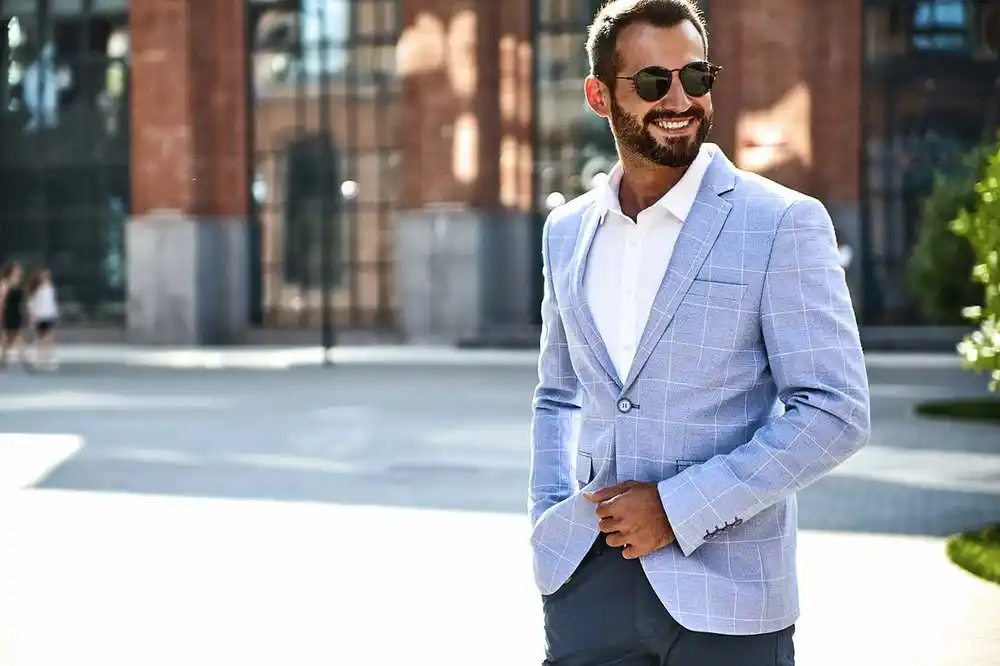
A great sport coat is the workhorse of a summer wardrobe. The key is choosing the right ones.
Look for bold patterns (plaids, checks, windowpanes) that read confident in warm-weather settings. Light colors (pale pink, mint green, soft yellow, lilac) photograph well and feel seasonally appropriate without looking costume-y.
The fabric is non-negotiable: cotton, linen, and lightweight wool all breathe. Avoid anything that traps heat. Pair with slim-fit shirts, chinos, jeans, or loafers for a look that works from a casual lunch to a business dinner.
Tip Two: Lose the Tie (Unless It’s Great)
Summer is when a mediocre tie becomes a liability. If the tie isn’t adding something to the look, it’s just making you hotter.
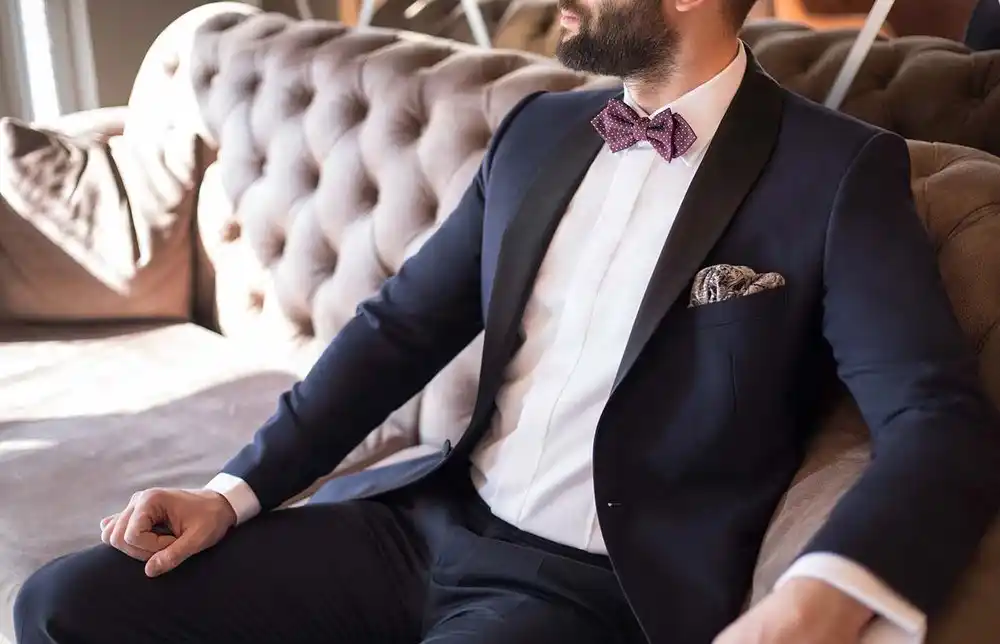
When you do wear one, choose something with real personality: a bright color, an interesting pattern, a texture that reads as a deliberate choice. Keep the width under 3½ inches for a contemporary silhouette.
A well-chosen pocket square does a lot of what a tie does visually without the formality or the heat. And if you have ties in your closet that you haven’t reached for in two years, donate them.
Tip Three: Accessorize Deliberately
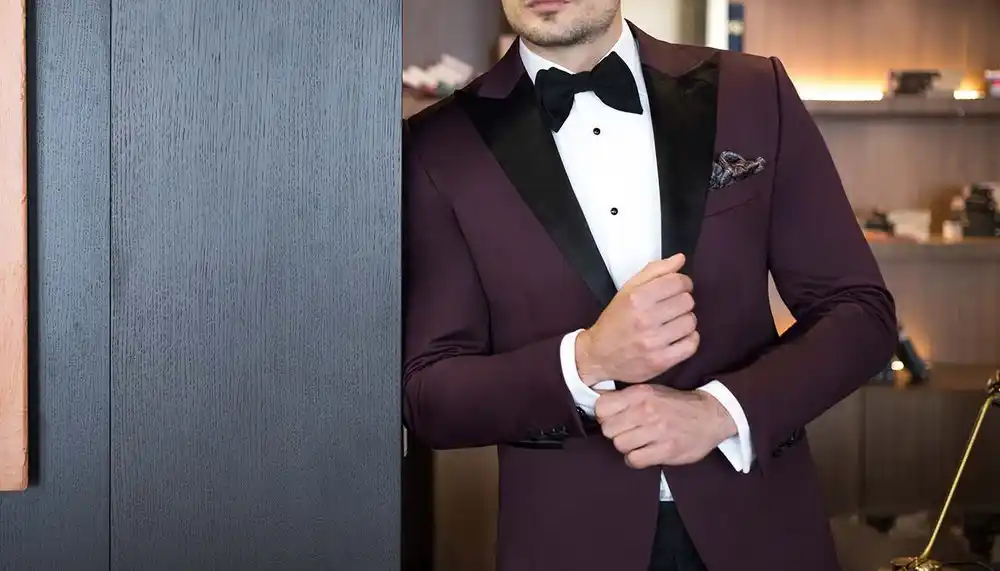
In summer, accessories do more visual work because you’re wearing fewer and lighter layers. A pocket square in your jacket breast pocket is essentially mandatory when wearing a blazer. It’s the finishing touch that separates someone who dresses from someone who just got dressed.
Tie bars, when worn, should clip about halfway down the tie and attach to the shirt placket. Small detail, significant impact.
Tip Four: Find New Shirt Colors
Summer is the right season to experiment. Micro-stripe shirts in pastels (turquoise, coral, mint) work in warm weather in a way they wouldn’t in January. Try combinations you haven’t considered: soft yellow and white, coral and light grey, pale blue and navy.
Layering lighter shades under darker outerwear creates depth. Don’t limit yourself to what you’ve always worn.
Tip Five: Your Shoes Complete the Look
Summer footwear is often where otherwise sharp outfits fall apart. Move beyond default black, brown, and grey.
Loafers and drivers in tan, chestnut, camel, burgundy, light blue, or soft grey all work with summer sport coat combinations. A leather driver in an unexpected color can elevate a simple shirt-and-chinos combination into something genuinely considered.
And match your socks to your pocket square. It’s a small move that very few people do intentionally, and it reads.
Building a summer wardrobe that actually works for your life? Let’s talk.